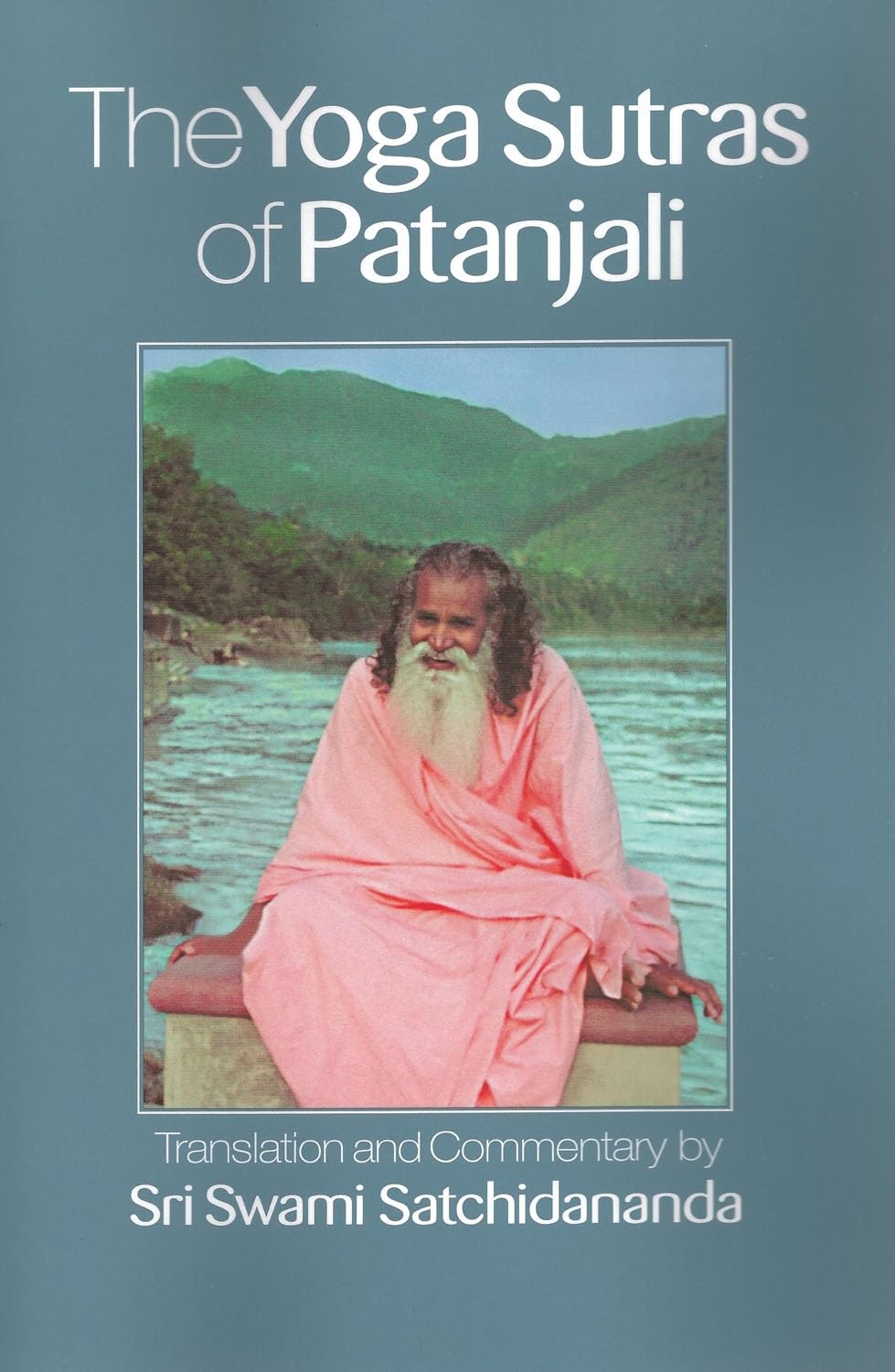
The Yoga Sutras of Patanjali
2.45 Convert every work into Yoga with the magic wand of right attitude. (p.141)
The Yoga Sutras of Patanjali consists of four chapters, with a total of 196 sutras. Take your time with each one—they're not meant to be rushed, but lived.
I first started reading this book during my yoga teacher training. At the time, I understood some of its teachings with my mind. As I continued reading and living, many of them began to reveal themselves through experience. It has given me a different way of looking at life—one that is more aware, more accepting, and more present.
Feeling more than blessed after reading The Yoga Sutras of Patanjali. It's a book I know I'll return to again and again. Somehow, within its pages, you don't just read the words—you recognize parts of your own life. You begin to live your story when you find your sentence in the book.
Some teachings are understood with the mind. Others quietly unfold through experience. This is one of those books.
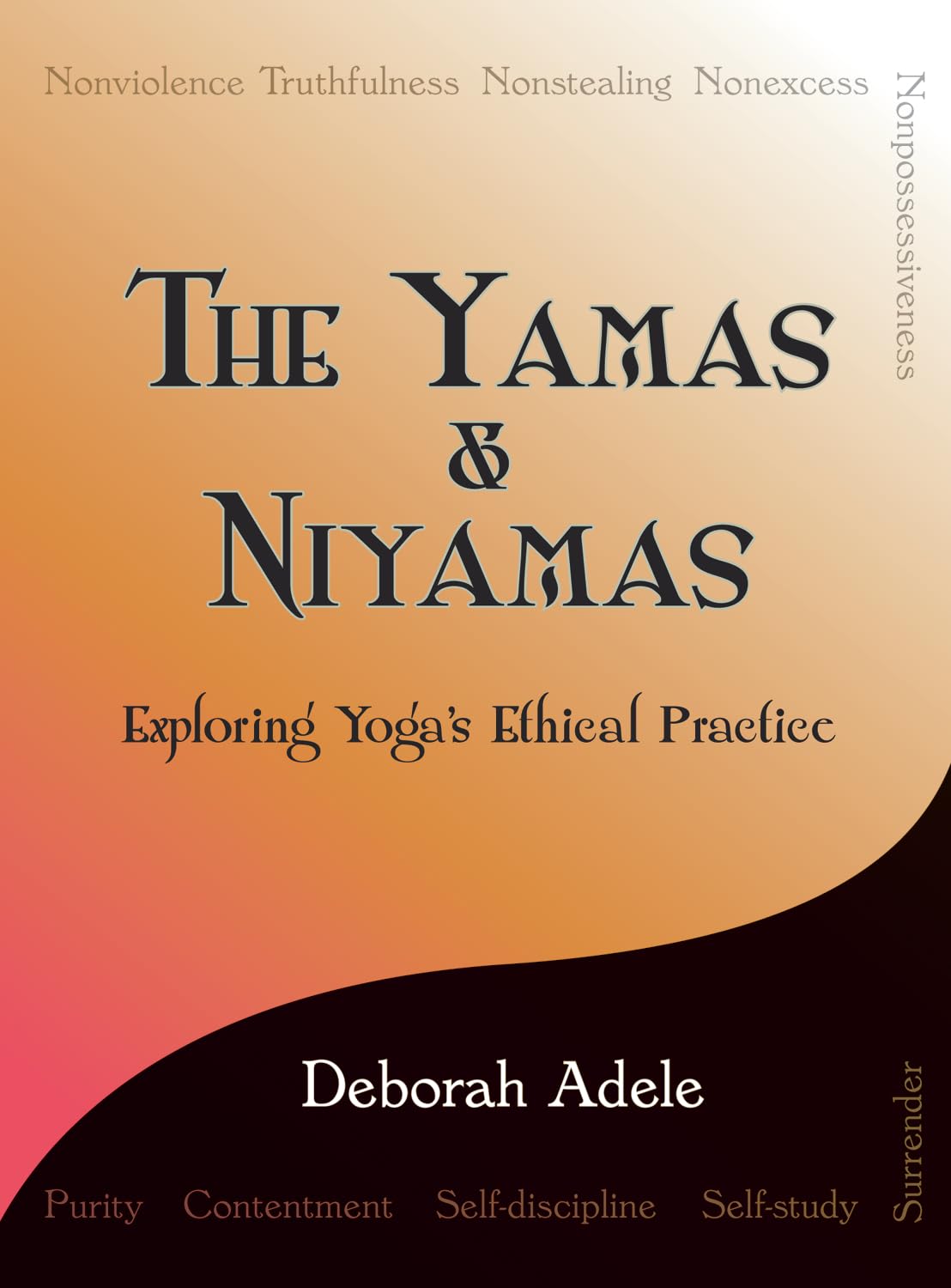
The Yamas & Niyamas
“When we open our eyes and see everything as an opportunity to explore and to learn, nothing becomes insignificantly in its ability to teach us and grow us.”
In The Yamas & Niyamas, the teachings go beyond definitions—they become something to observe in daily life.
What I like about this book is how it brings awareness to what we often overlook: the quiet, unconscious ways we act, think, and respond.
Yamas and Niyamas are not just ideas, but something we may already be practicing or neglecting without noticing. Through reflection and simple exploration exercises, it gently invites us to see how these principles show up in real moments, and how we might live them more intentionally, rather than just understand them intellectually.
For example, finding courage, creating balance, and practicing self-love are all part of Ahimsa. We may not always be aware that when we are harsh or violent toward ourselves, it can also manifest in how we treat others. This book gently brings attention to these subtle patterns, helping us recognise that Ahimsa is not only about non-violence outwardly, but also inwardly—with how we speak to, judge, and care for ourselves.
If this resonates, you might find something meaningful within its pages.
Inside the Yoga Sutras
“To having Yoga practice become a natural expression of who we are. “
Inside The Yoga Sutras includes commentary for each sutra, extensive cross-referencing, a sutras-by-subject index, and a study guide for anyone interested in deeper exploration. It also contains a word-for-word dictionary, hints for daily practice, and an enhanced glossary.
This book opens a doorway to exploring each sutra more deeply, uncovering the meaning behind each word while offering ways to reflect on, experience, and weave these teachings into daily life.
I discovered this book through the selected reading list at the back of The Yoga Sutras of Patanjali. It is filled with wisdom, and I highly recommend reading it after completing The Yoga Sutras of Patanjali.